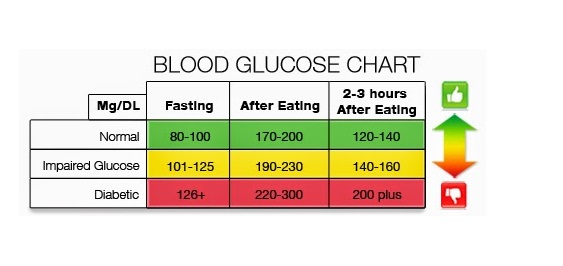
Blood glucose levels rise and fall throughout the day depending on what you eat and how active you are. People with diabetes (especially someone on insulin) check frequently to help guide their diabetes self management. Typically type 2 diabetes, if you are not on medication, requires a daily check. If you are on medication and/ or suffer from low / high glucose levels, then you need to check several times a day. For example, I use to be on medication, but now suffer from hypoglycemia (low blood glucose) and check myself depending on how I feel (fatigued, sluggish, light-headed). Work with your healthcare provider to come up with a plan that works best for you.
With all the social distancing, quarantine, and good weather…..more people are going outside for a walk, run, or just to get some fresh air. Besides the virus, there is still the need to play it safe if you are out there by yourself. Make sure if you are going for a walk around the park or sub, that you have the essentials. Be sure to carry your cellphone and store your medical information on it so that first responders can view important information. Such things as what medication you are taking, if your are diabetic, suffer from asthma, or taking certain medications can be helpful information if you are not able to verbalize it. Emergency contact person should also be on that list. Take care and be safe.
We all get side tracked which can cause healthy habits to go by the wayside. To help you stay on track, get organized. Make Sunday your day to plan for the week. If necessary, use a fitness app or calendar on the frig to mark down exercise dates. This would also be the day to stock your frig or freezer with your ready made meals for the week. Meal prepping can be very time consuming and somewhat like a workout. It’s good to meal prep your breakfast, lunch, and dinner. If this seems like too much at one time, break it up. If you are just starting out, the first week or two, just meal prep your breakfast. After you got that down, add your lunch to the rotation and so on. You also don’t have to have the same breakfast everyday that week. Find five breakfast recipes, to try out, so that you won’t have to eat the same thing everyday.
When taking a trip to the grocery store or fruit market, make sure to try something new on every trip. Going to the fruit market, I always come across a vegetable I’ve never had or heard of before. I google the vegetable and look for a recipe for that vegetable to try out. For example, that’s how i started eating bok choy which is a member of the cabbage family and a staple in Asian cooking. Bok choy, known for its mild flavor, is good for stir-fries, braising, and soups. It is also packed with vitamins A and C. One cup of cooked bok choy provides more than 100% of the recommended dietary allowance (RDA) of A, and close to two-thirds the RDA of C.
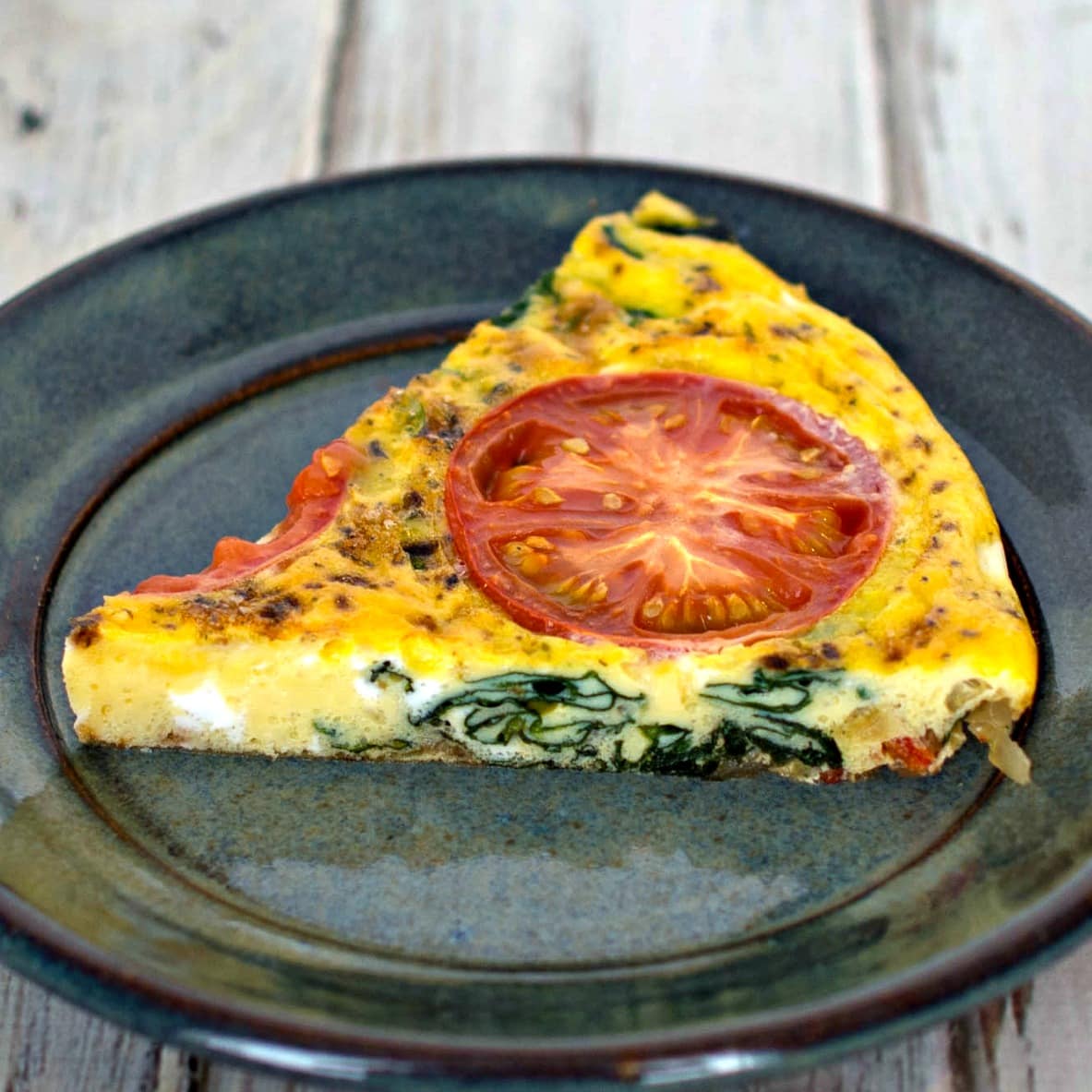
This frittata is packed with vegetables. Perfect for breakfast or anytime really. The link provided to the recipe makes 4 servings and has about 23 grams of protein. Even taste good re-heated for the next day.
Eat plenty of protein: Protein has hunger-reducing properties that may help you automatically consume fewer calories during the day. It works by increasing the production of hormones that signal fullness and reducing the levels of hormones that stimulate hunger.
Stay hydrated: Water is quite filling and has the potential to reduce appetite when consumed before meals. You may find that you feel hungry more often if you’re not drinking enough of it.
Get some sleep: Sleeping plays a part in appetite control, as it helps regulate ghrelin, the appetite-stimulating hormone. Lack of sleep leads to higher ghrelin levels, which is why you may feel hungrier when you are sleep deprived.
Fight some of them negative thoughts in your head by learning to breathe and relax, try to identify and challenge the negative thoughts of why you are upset, and look for the positive in negative situations.
Breathe and Relax: Your whole body tightens up when in fight-flight mode (breathing speeds up and becomes constricted). As soon as you’re aware that something negative is building up, take several slow, deep breaths and tell yourself to “relax”.
Identify and Challenge the Negative Thoughts: Sometimes, what causes a person to emotionally overreact are beliefs that are exaggerated or distorted. Don’t assume that you know the meaning of what someone said to you. If you are not sure, instead of getting upset, just ask for clarification or just let it go.
Look for Positives: Don’t focus on the unfairness, fear, hurt, or disappointment of a situation. Instead, focus on whatever positives might come out of what just transpired. You pretty much can pull out the positive in just about any negative situation. For example, you caught a flat tire (NEGATIVE) on the way to work. Supervisor writes you up (NEGATIVE) anyhow for being late. Watch the news and see that there was a fatal accident on your same route to work. If not for that flat tire, you could have been part of that fatal accident (POSITIVE).
In this straightforward handbook, he gives you the tools and advice you need to demolish the slag weighing you down and become the truly un#@%! version of yourself. ”Wake up to the miracle you are,” he directs. ”Here’s what you’ve forgotten: You’re a f@%!ing miracle of being.” It isn’t other people that are standing in your way, it isn’t even your circumstances that are blocking your ability to thrive, it’s yourself and the negative self-talk you keep telling yourself.
We all talk to ourselves so ask yourself this question. Am I eating in response to physical hunger (rumbling stomach, low energy, etc.) or am I feeling scared, frustrated, overwhelmed or happy? If you are not starving and feel full / satisfied, then you most likely don’t need to eat anything. If you just gotta have something, eat a mandarin orange as a snack. The smell of the citrus is calming, it’s a boost of vitamin C, and a healthy snack. During these stressful times, it can be difficult to tell if you’re truly hungry or if your mind is attracted to food to disconnect from your feelings. Try to address your emotions in ways that don’t involve eating. Read a book, do a hobby, go for a walk (if you can leave the house). Your body has all the answers, you just need to learn when its trying to tell you something is wrong.
Just my opinion, but those fat burning supplements…..ummmmm yeah, use that money to buy food that will increase your metabolism. Eating foods that stimulate and enhance the fat burning process will help you reduce fat more effectively than a fat burning supplement in a bottle. Will taking a fat burner supplement help or hurt you? Don’t know, but the below list of foods will most definitely help. Adding metabolism boosting foods, along with a workout / nutrition program should help you reach your goals.
The following foods are shown to increase our metabolism:
Hot peppers (active component capsaicin) Green tea (active component caffeine) Black coffee (active component caffeine) Cold water (500 ml of water daily increased metabolic rate by 30%) Whole grains (aiding component fiber and iron) Yogurt (aiding component calcium and probiotics) Apples (aiding component fiber) Nuts and seeds (aiding component essential fatty acids) Fatty fish (aiding component Omega-3 fatty acids)
Nutrient dense foods, such as lean protein, complex carbohydrates, and fats are essential to your health. They are a good source of vitamins, minerals, and antioxidants. Antioxidants help to reduce inflammation in your body, while also helping to fight off colds and diseases. Inflammation is one of the leading causes of many diseases. The antioxidants in leafy greens and vegetables help detoxify the body by removing harmful chemicals.
This is a simple way for people with diabetes to plan meals. As a matter of fact, its a good way for everybody to start their way towards healthier eating habits. This method can help you eat the right amount of carbohydrates and keep your blood sugar levels under control. Carbohydrates naturally raise your blood sugar level. Your blood sugar level can rise too high if you eat too much bread, cereal, starchy vegetables, fruit, milk, yogurt, and sweets………all at one time. The plate method also helps with moderation. Let’s say you eat the above plate and want to come back for seconds. Create the same plate MINUS the 1/4 of starch….so, just veggies and more protein only.
Carbohydrates can have a huge impact on your blood sugar levels. If you have diabetes, it’s important to monitor your carbohydrate intake in order to see which foods work best for you. Try to stock up on non-starchy vegetables and reduce your sodium intake for starters. Start making changes by setting simple, tangible and realistic goals. It takes time to make changes in your diet, so be patient. Eating should be a pleasant, enjoyable experience. Maintaining the pleasure of eating is a critical component to healthy eating.
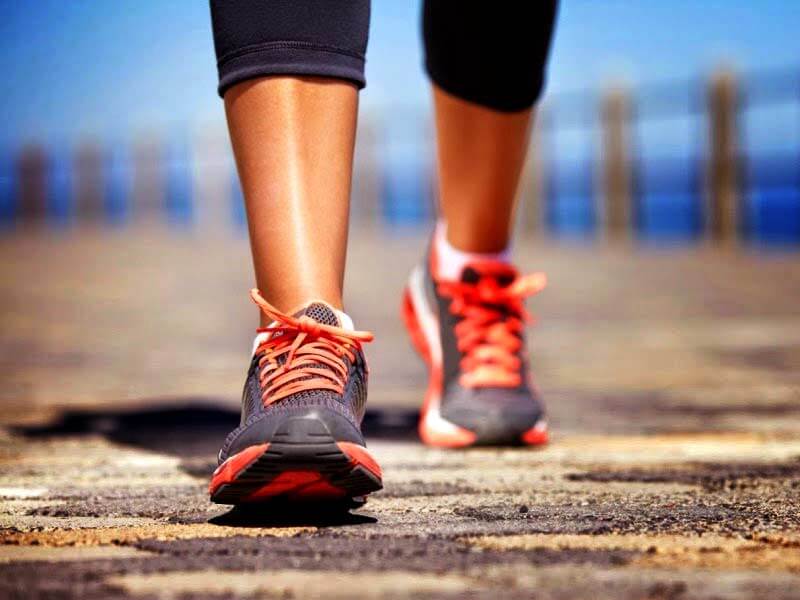
1.Running shoes have extra cushioning while walking shoes do not. 2.Running shoes are stiffer while walking shoes are more flexible. 3.Running shoes are heavy while walking shoes are lightweight. 4.Running shoes have extra mesh while walking shoes lack the extra meshing. 5.Running shoes are costlier than walking shoes. 6.Running shoes are designed with functionality, stability, and motion control while walking shoes are designed with comfort, flexibility, and fit in mind.
What are the benefits of walking after every meal? Walking after a meal helps control blood sugar levels, boost your energy, and burn calories. You can go for a walk right after every meal. Try to make walking after a meal a daily habit. Even if you can’t leave the house, move around after every meal. For example, after eating dinner, I always take the dog outside after I eat. No dog you say? Eat dinner and clean up the kitchen afterwards……that’s still movement. Everything doesn’t have to be a scheduled workout. What’s important is keeping the body moving.
Some common signs and symptoms of insomnia include: Waking up tired from lack of sleep Daytime sleepiness and fatigue Mood changes Poor concentration and attention Anxiety Headaches Lack of energy Increased errors and mistakes
Sleep Hygiene would be the number area to work on to help with insomnia. It consists of the following strategies:
Sleep as much as possible to feel rested, then get out of bed (do not over-sleep). Maintain a regular sleep schedule. Go to bed and wake up at the same time daily. Do not force yourself to sleep. Do not drink caffeinated beverages or other stimulants in the afternoon or evening. Do not drink alcohol prior to going to bed. Do not smoke, especially in the evening. Adjust the bedroom environment to induce sleep. Avoid watching television in bed and for 30 minutes before bed. Do not go to bed hungry, but avoid foods that may cause acid reflux. Resolve stress and anxiety before going to bed. Exercise regularly, but not 4-5 hours prior to bed time.
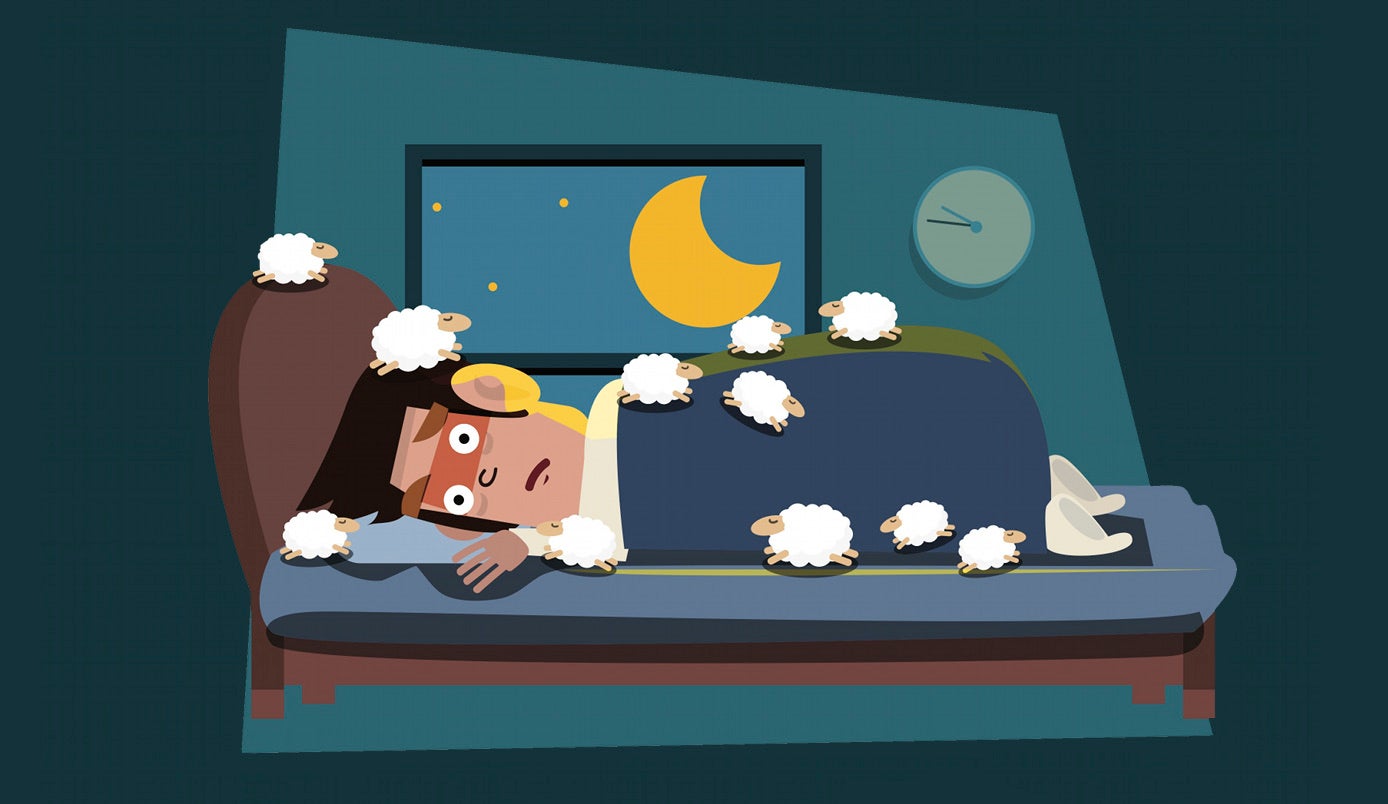
Sleep plays a very important part in your overall health. We have all read that everyone should get at least 8 hours of sleep a night. That is not necessarily true or depending on your lifestyle, almost impossible. If you are able to sleep that long (like my friend above), then you are one of the lucky ones. I suffer from insomnia, which isn’t too bad as long as i can get a solid 4 hours of sleep. Even prior to insomnia, 4-5 hours of sleep has always been my max amount of sleep. Its the broken up 4 hours that’s a problem. Everybody is different, so get the amount of sleep that YOUR body needs. As far as overall health, sleep helps with the following:
According to the U.S. Department of Health and Human Services, adults with disabilities should aim for:
At least 150 minutes a week of moderate-intensity, or 75 minutes a week of vigorous-intensity cardiovascular activity (or a combination of both), with each workout lasting for at least 10 minutes.
Two or more sessions a week of moderate- or high-intensity strength-training activities involving all the major muscle groups.
If your disability or injury makes it impossible for you to meet these guidelines, you should at least engage in regular physical activity according to your ability.
Feeling self-conscious about your weight, illness, disability etc. is very common, especially when working out in public. Try not to focus on your health issues and instead focus on the things that you can do or try something new. Whatever it is that you can no longer do, kind an alternative to that activity. Walking, swimming, or exercising in a class with others who have similar physical limitations can make you feel less self-conscious. Give yourself a pat on the back just for moving forward and starting a workout. Progress is progress.
Start slow and gradually increase your activity level. Make exercise part of your daily life. Stick with it and expect ups and downs. Start with an activity you enjoy, go at your own pace, and keep your goals manageable. Accomplishing even the smallest fitness goals will help you gain confidence and keep you motivated. Plan to exercise at the same time every day using a variety of exercises to keep you from getting bored.
Working out or even a daily walk after a meal is a great way to improve your mental health. To make things even better, researchers have shown that exercising in natural environments further helps to reduce stress and worry, and lift your mood. Instead of wearing earbuds and listening to music, focus on nature’s scenery and sounds. Birds chirping, the sound of water, and wind blowing through the trees is relaxing and free.
What better time than now to have a healthy immune system. Did you know that your diet plays a role in protecting you from toxins and infections. Yeah, vitamin C is great, but you can get vitamin C from other sources besides citrus fruit. Here are some of the top to get in your system:
Vitamin C: Leafy green vegetables such as spinach and kale, bell peppers, brussels sprouts, strawberries and papaya are also excellent sources.
Vitamin E: Almonds, peanuts, hazelnuts, spinach, broccoli, and sunflower seeds are all high in vitamin E.
Vitamin A: Carrots, sweet potatoes, pumpkin, cantaloupe and squash.
Vitamin D: Many people have a hard time absorbing vitamin D from food. Vitamin D is a type of nutrient that the body produces when a person’s skin has exposure to direct sunlight. Food wise, fatty fish such as salmon, mackerel, tuna ,and sardines. You can also take in some milk, orange juice, and cereals.
Folate/ Folic Acid: Eat more beans and peas on a daily basis. Enriched breads, pastas, rice and whole-grain products will help with your folic acid intake.
Iron: Beans, broccoli, kale, turkey, chicken, and seafood.
Selenium: Garlic, broccoli, sardines, tuna, Brazil nuts, and barley.
Zinc: Oysters, crab, lean meats and poultry, baked beans, yogurt, and chickpeas.
Even if you are under the weather, you got to move around a little bit. If you are in the bedroom, organize your drawers, clean out your closet, change your linen, and do some dusting. Of course, not all at once, but do it 10 minutes on, 10 minutes off until you can build up to an hour. When you feel like you are doing too much (i.e. coughing or getting out of breath), you’re done for the day. Start over fresh in the morning.
Easier said than done when trying to eat healthier foods or just adopt a healthier way of living. That little voice in our head can come up with a million reasons why NOT to get things started, i.e. BBQ season coming up, good food at this party coming up, wait til after vacation etc. To get a handle on that excuse voice, leave yourself notes to keep you focused. It could be a list of reasons for eating healthier, goals you wanna meet, or a scripture. Post them everywhere, save them on your phone, stick them in your car. Read them everyday and throughout the day if needed. You’ll be surprised how strong your words can be in helping you stay focused. Just try it out.
Its nice being able to visit the gym for a change of scenery, but in times like this (Coronavirus), nothing beats having your own. I used to belong to a few gyms and enjoyed going except during the winter months. I have early, early, really early morning workout sessions. You don’t have to get everything at one time. I slowly picked up equipment during major sales, companies going out of business, friends getting rid of things, and of course Amazon. I have a Norditrack treadmill and elliptical which is more than enough for my cardio needs. Switch things up a bit, save a few bucks, or just for convenience, its worth having a home gym regardless.
Switch your large plates and silverware out for small ones. You’ll eat less on a 10-inch than a 12-inch plate. Use a tablespoon, not a serving spoon, to dish out portions. Think about what you put on your plate to make sure you really want it. Eat slowly so your body has time to tell your brain you’re full. If going back for seconds, eat mostly vegetables.
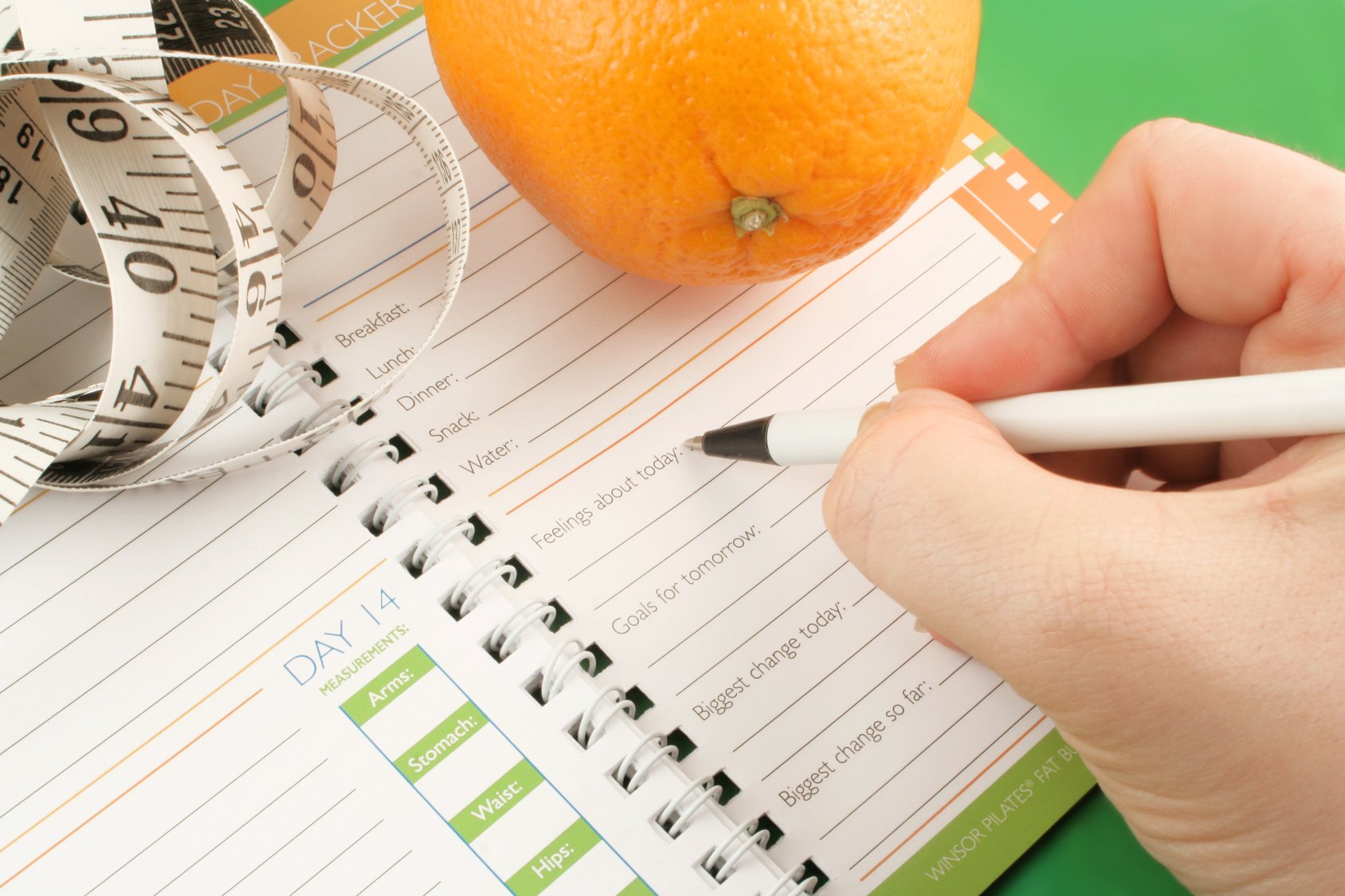
A food journal can help you pay attention to what you eat. You might be surprised by some of your own habits. You can write it out by hand or download an app for your phone or tablet. You don’t have to track meals every day. Just do it one day a week or for a few days. That’ll give you an idea of what and how you eat.
Nothing like getting stuck at work and unprepared. Create a healthy eating plan for days when you work late or have errands to run. Keep nutritious snacks with you, like trail mix, whole grain cereal, or fruit. Store healthy foods in your frig or freezer if one is available at work. Maybe there is a restaurants or supermarket deli nearby. Most of them have salad, soup, or grilled chicken on their menu. So if you have to get something “to go,” you can choose wisely.
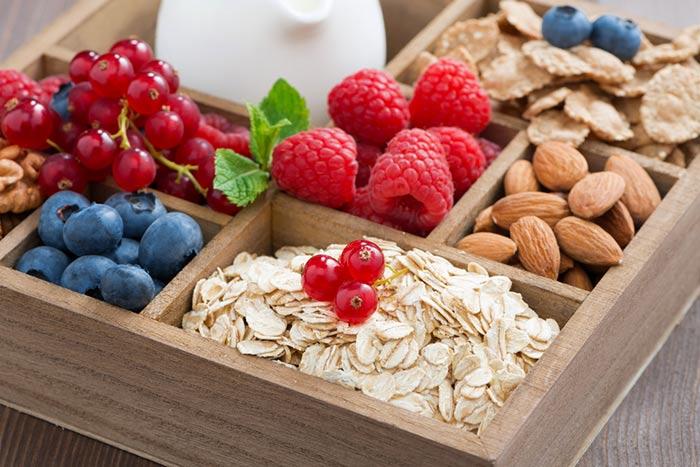
Portable breakfast items include granola or breakfast bars, yogurt, instant oatmeal, or pieces of fresh fruit. Such things as muffins, bagels, and other baked goods are often larger than a single serving. Regardless of your choice, simply choose something to fuel your body.
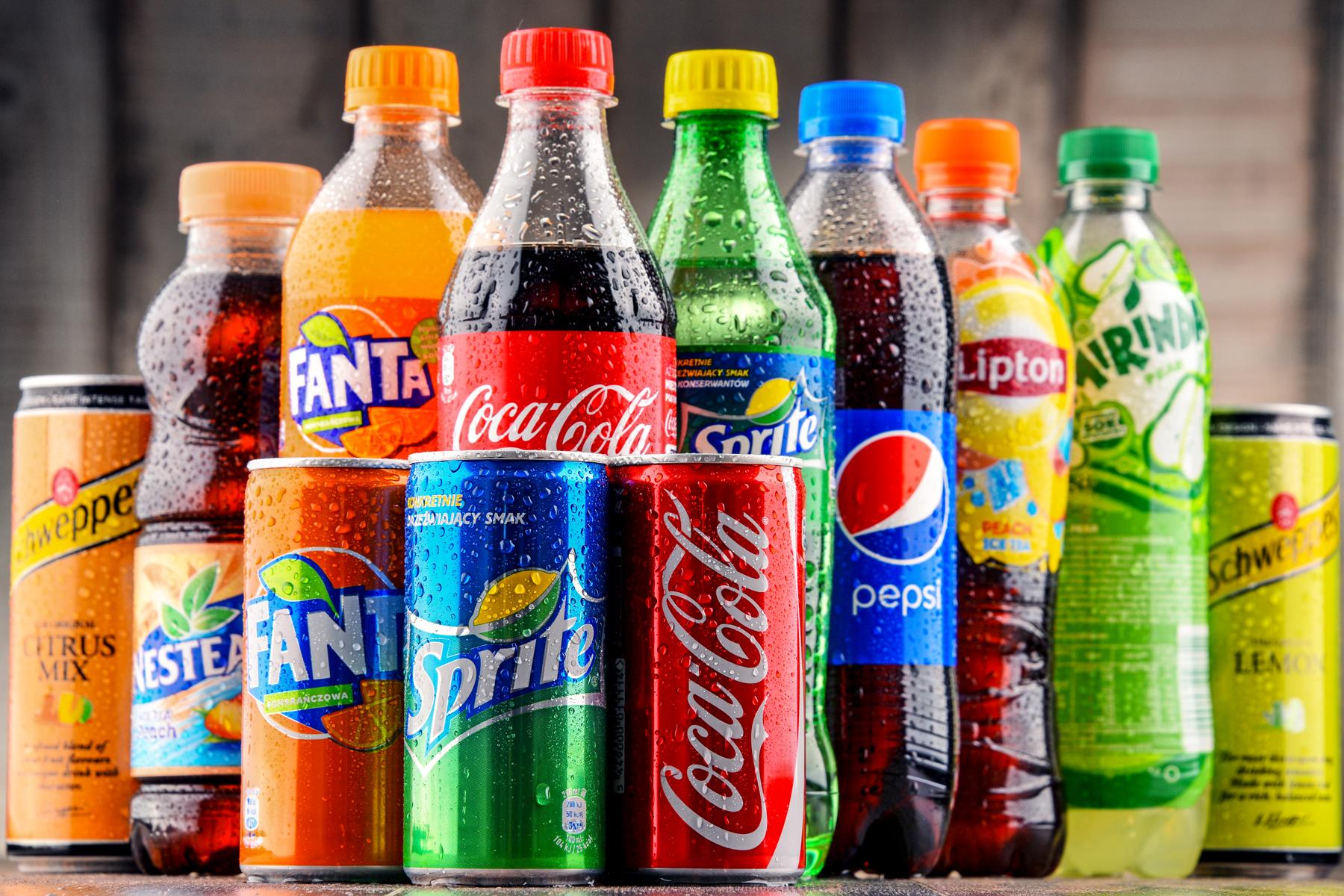
Give up one sugary soda a day. That cuts out about 8 teaspoons of sugar. Choose water or unsweetened tea instead. Choose fresh fruit or fruit canned in water or juice, not syrup. Opt for unsweetened cereals.
It’s all about planning. If you are going to a new spot, check out the website for their menu. I usually have an idea of what i’m getting prior to going. If allowed, order off the children’s menu. Waiting to long to eat is a no, no-don’t get so hungry that you overeat when you get there. Have a healthy snack before you go. If need be, split your meal in half and take the uneaten part home. You could also split an entree with a friend. Maybe tell the waiter not to bring bread to your table (that’s a tough one since i love bread).
Get unhealthy snacks out of your office…………Well, at least out of plain sight. You’ll eat less if you don’t have easy access to food or if its out of reach. If you have a desk, don’t keep food at your desk. Make sure snacks are at least far away. As in far away where you have to get up too get them. Even better if you got to walk a little distance. That will give you time to think about your selection before you grab it. If need be, take time for a real lunch break, away from your desk or work area.
Don’t get to feeling your face unless you’re hungry. Stop eating when you feel satisfied and not when you feel full. Remember growing up and always hearing, “eat everything on your plate”? It’s okay to leave food on your plate. Easier said than done, but try not to sit in front of the TV or computer when you eat. When you’re multitasking, you’re more likely to overeat. Stay in the moment. When you tune in to your appetite signals, you won’t eat just because you’re bored.
It’s important to plan your meals and prep for the week. Pull out the slow cooker and have a meal waiting for you when you get home. Cook extra to take for lunch the next day or freeze some for dinner at a later date. You’ll have meals you can take out and heat up when you need them. Maybe pick one day a week to eat out as a treat to sticking with your plans.
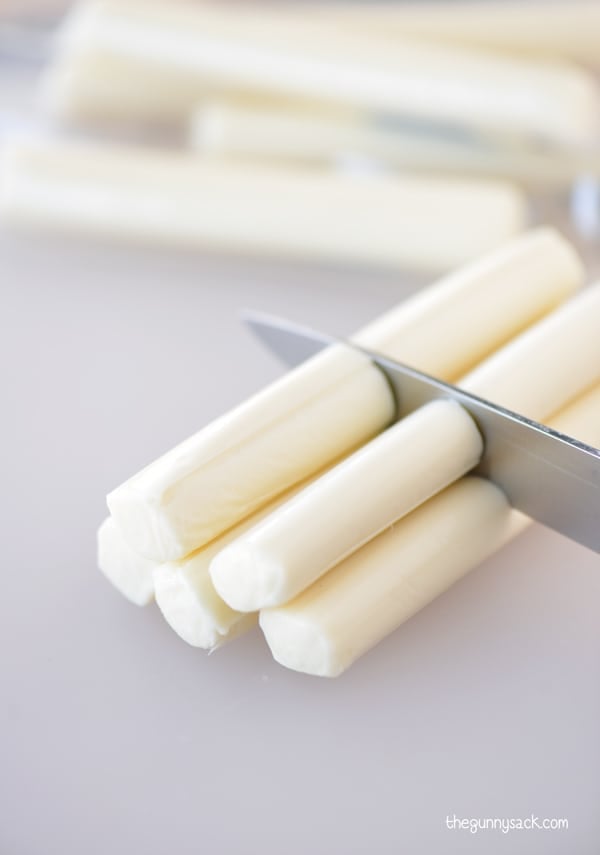
Try to switch out the cookies or chips for a small handful of trail mix (I love trail mix), or low-fat yogurt. Make that weekly run to the fruit market. Grab some apples, blueberries, and oranges. Try pretzels or a few whole-wheat crackers with low-fat cheese. Only snack when you’re really hungry (not just bored or stressed).
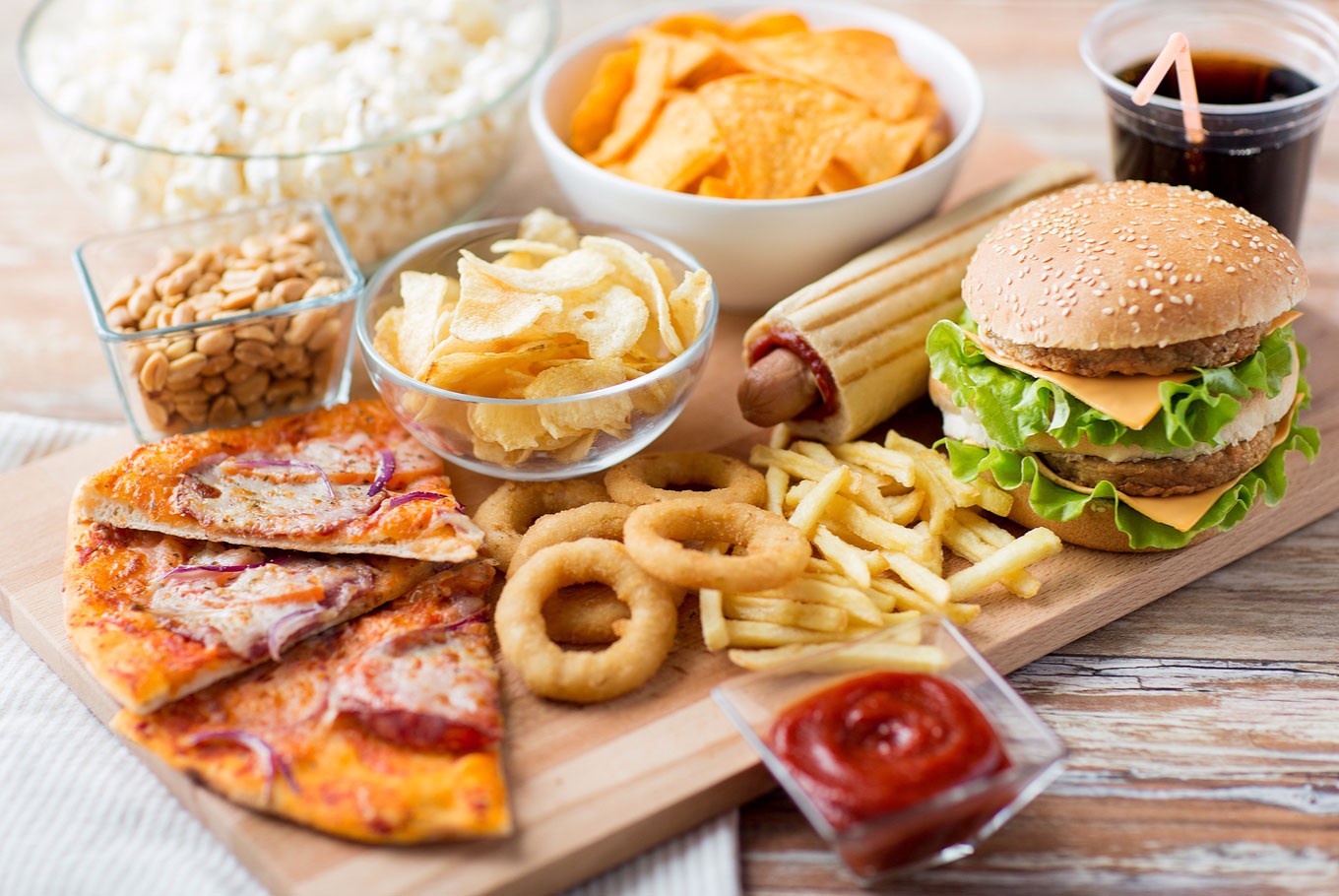
These are some tips to reduce the temptation for fast food. Depending if you truly have a love for the stuff, simply take another route to avoid driving pass your weakness. I personally keep something in the car such as fruit, protein bar, or granola to tide me over until I get home or to work. If you have to stop at a fast food joint, just try to choose lower-calorie items like grilled chicken. Oh, and go with the regular / small and not super size it. Choose water instead of a pop (Michiganders say pop) or soda. Order regular or small sizes, and avoid value meals. Sip water or diet soda instead of sugary soda.
Try to add one more of each to every meal. Store cut-up raw veggies in the front of the fridge and fruit on the counter where you’ll see it. Also keep things like hummus, peanut butter, and low-fat yogurt readily available. Add extras veggies to your sandwiches, pizzas, salads, soups, and omelets. You could also puree things like butternut squash to thicken soup and add nutrients.
Mindset plays a huge part in our overall health. Its important to work on thinking more positive on a daily basis. Stress, feeling overwhelmed, and…….. whatever else life throws at you can take a toll on your health. Even on your best day, there is always room to grow.
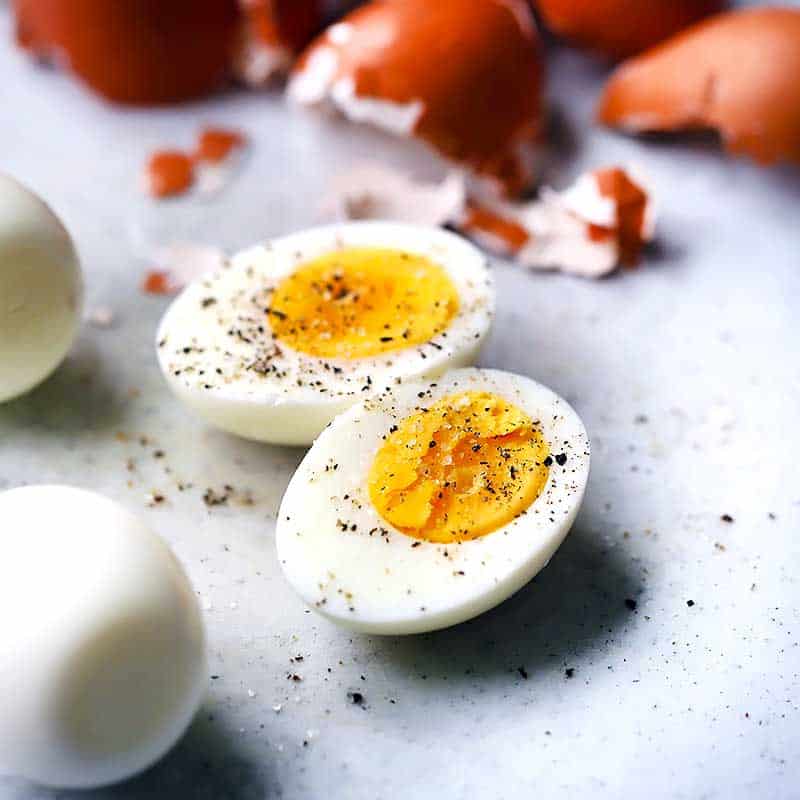
If you are looking for some ways to get more protein in for breakfast, try a few of these to mix things up. Remember, variety is key to staying on track. Of course, there is something to say negative about all the choices shown, but we are all different (diabetic, heart disease, allergies etc.).
It’s nothing more refreshing then a smoothie after a workout, on a hot day…….well, pretty much most days. I think just about everyone on the planet has a NutriBullet and if you don’t get one. If you’re looking to change things up a bit, try these smoothie recipes…..You won’t be disappointed.
This is a great selection of after workout meals. I personally go for oatmeal or scrambled eggs with vegetables. Earlier, I posted a meal prepping video to help you get started. Meal prepping saves you time and most importantly, a variety of food choices. Just like above, after workout snacks or meals can vary…..mix things up a bit. No one wants to eat the same thing everyday.
Strength training involves using free weights, weightlifting machines, resistance bands, or your own body weight to make your muscles stronger. Lower-body strength training will improve your balance and prevent falls.
Strength training helps with the following:
Build and maintain strong muscles as you get older
Continue to perform activities of daily living, such as carrying groceries or moving furniture
Keeps your bones strong, which may help prevent osteoporosis and fractures
Anybody that knows me, knows that I just loveeeeeeeeeeeeeeeeeeeeeee water. Absolutely the best drink in the world. The above pic shows you just how beneficial water is for your body.




























![How to Tell If You Have a Fixed or a Growth Mindset [Infographic]](https://i.pinimg.com/564x/b8/77/98/b877984c48293fe6433485eb4d47d756.jpg)


![The Seven Best Things to Eat After You Workout. Read on to g...-ad_1] The Seven Best Things to Eat After You Workout. Read on to get the 7 best option… The Seven Best Things to Eat After You Workout. Read on to get the 7 best options to refuel and rebuild muscle after a hard workout! Popculture.com #postworkout #afterworkoutsnack #afterw -#diyPartyPrintables #frozenPartyPrintables #PartyPrintablesblackandwhite #PartyPrintablesfloral #superheroPartyPrintables](https://i.pinimg.com/564x/91/8b/cf/918bcf9e50039087b10f0951fa386349.jpg)


 Cassinetti's Corner (Nutrition and Wellness)


